Phenazepam is a long-acting benzodiazepine derivative first synthesized in the former Soviet Union and historically used for its anxiolytic, sedative, anticonvulsant, and muscle-relaxant properties. It functions as a positive allosteric modulator of the GABA-A receptor, increasing inhibitory signaling within the central nervous system. Due to its high potency and extended half-life, phenazepam produces prolonged pharmacological effects that may persist for more than 24 hours.
In comparison to commonly prescribed benzodiazepines, phenazepam exhibits stronger sedative and amnesic properties, which has led to increased scrutiny and regulatory control in many regions. Today, it is primarily referenced in forensic toxicology, analytical chemistry, and pharmacological research, rather than approved therapeutic use.
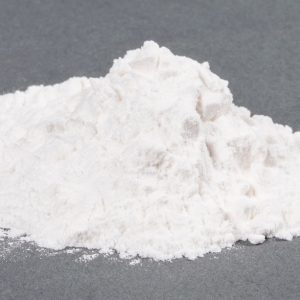
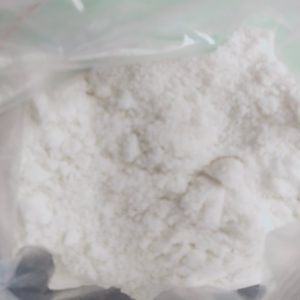
Phenazepam appears as a white to off-white crystalline powder and demonstrates low solubility in water, with improved solubility in organic solvents. As with other benzodiazepines, phenazepam carries risks related to tolerance, dependence, and cognitive impairment, particularly with repeated exposure or improper handling. Legal status varies internationally and should always be verified prior to research or discussion.
More analytical
Phenazepam, phenazepam chemical data, phenazepam CAS number, benzodiazepine derivatives, long-acting benzodiazepine, phenazepam specifications, GABA-A modulator.
Recommended Authority
World Health Organization (WHO)
European Monitoring Centre for Drugs and Drug Addiction (EMCDDA)
National Institute on Drug Abuse (NIDA)
Peer-reviewed pharmacology journals
Meta Data
Meta Title: Phenazepam | Chemical Properties, Effects & Specifications
Meta Description: Detailed phenazepam overview including chemical specifications, pharmacology, and research context. Educational reference only.