Diethylone, also known as 3,4-diethyl-N-methylcathinone, is a synthetic cathinone compound belonging to the broader phenethylamine and beta-keto amphetamine (cathinone) class. It is structurally related to substances such as methylone, ethylone, and other substituted cathinones, and is primarily referenced in analytical chemistry, forensic toxicology, and research literature.
Chemically, diethylone is characterized by a beta-keto group and substituted aromatic ring, a structure commonly associated with stimulant-type cathinones. Research discussions often focus on its interaction with monoamine neurotransmitter systems, including dopamine, serotonin, and norepinephrine pathways. Because of these properties, diethylone is frequently included in comparative studies of synthetic cathinones and novel psychoactive substances (NPS).
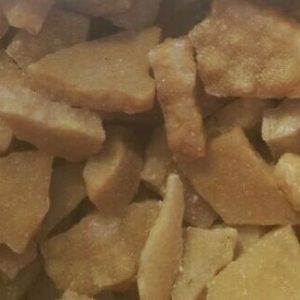
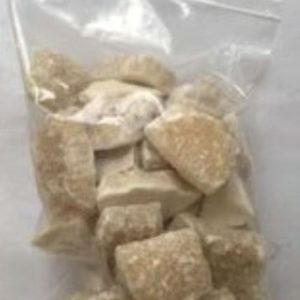
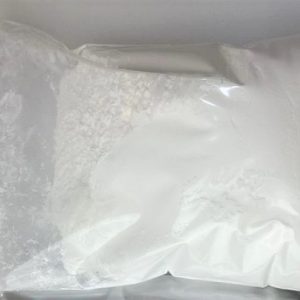
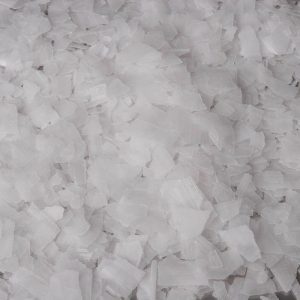
In laboratory environments, diethylone typically appears as a white to off-white crystalline powder and is commonly handled in salt form for stability and consistency in analytical testing. Diethylone has no approved medical use, and its legal status varies by jurisdiction. As a result, it is most often encountered in chemical identification databases, toxicology reports, and harm-reduction or monitoring publications, rather than clinical or commercial applications.