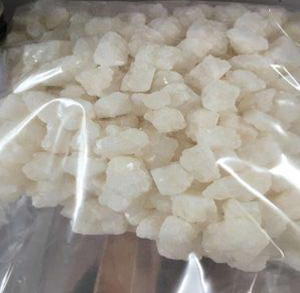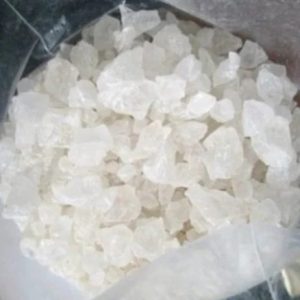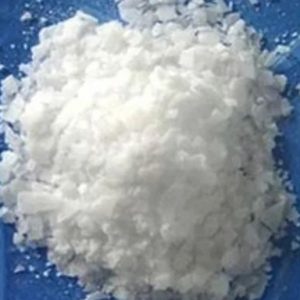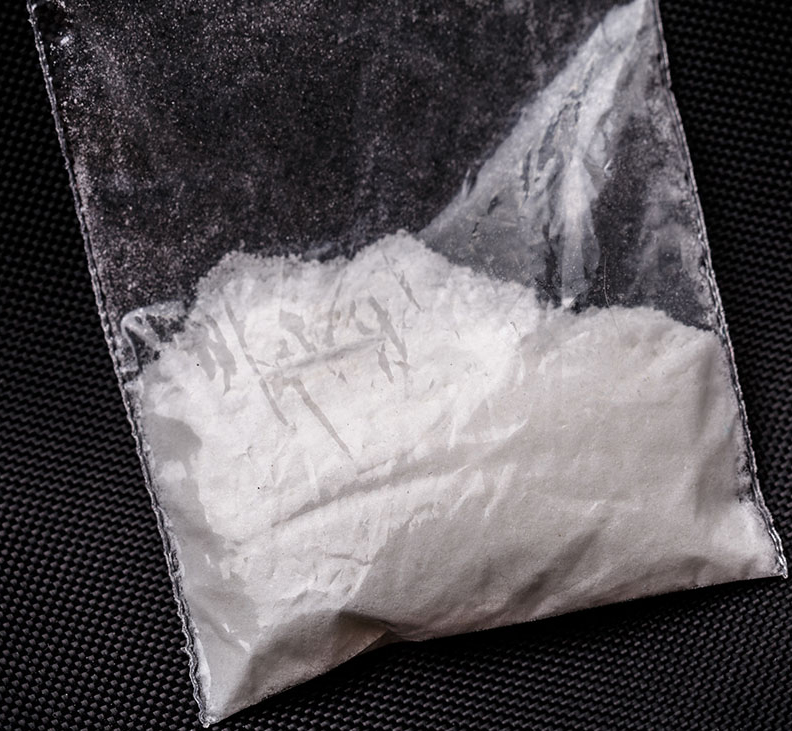
4-FA, also known as 4-Fluoroamphetamine (IUPAC: 1-(4-fluorophenyl)propan-2-amine), is a synthetic stimulant belonging to the substituted amphetamine class. It is characterized by a fluorine atom at the para position of the phenyl ring, which differentiates it from unsubstituted amphetamine and influences its pharmacological profile. The compound typically appears as a white crystalline powder and is most commonly supplied in salt form, such as the hydrochloride.
Pharmacological Profile:
4-FA acts as a central nervous system stimulant with mixed dopaminergic, noradrenergic, and serotonergic activity. It is reported to promote the release of monoamine neurotransmitters while also inhibiting their reuptake, resulting in stimulant and entactogenic-like effects. The substance has no approved medical or therapeutic use.
Health and Regulatory Considerations:
Available data associate 4-FA with significant health risks, including cardiovascular toxicity, hyperthermia, neurotoxicity, and cerebrovascular complications. Several severe intoxications and fatalities have been documented. Due to these risks and its abuse potential, 4-FA is classified as a controlled substance or banned in many jurisdictions worldwide.