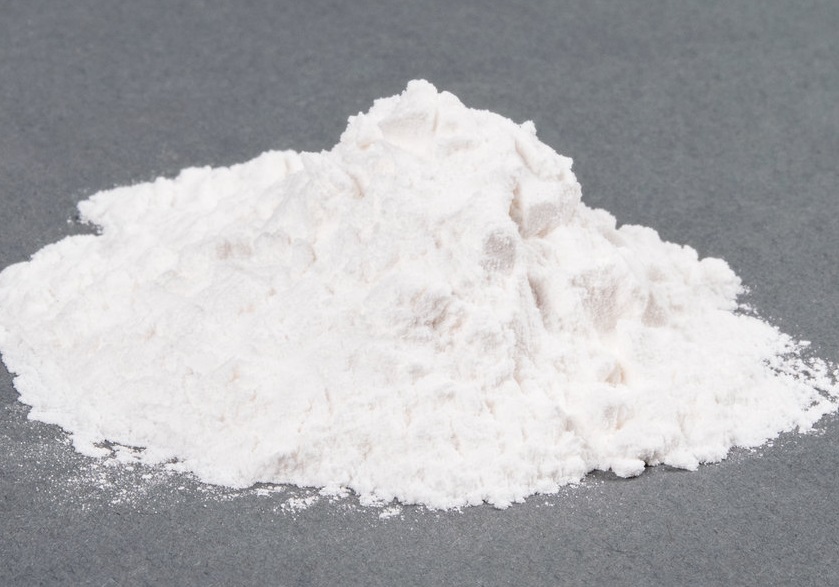
Flualprazolam is a synthetic triazolobenzodiazepine and fluorinated analogue of alprazolam, primarily documented in analytical chemistry, forensic toxicology, and regulatory monitoring contexts. It is structurally defined by the incorporation of a fluorine substituent on the phenyl ring, a modification associated with increased receptor affinity within the GABA-A benzodiazepine binding site.
This compound has no approved pharmaceutical or therapeutic use and is most frequently encountered in laboratory reference materials, seized-sample analysis, and scientific literature focused on identification and classification of novel benzodiazepines. Flualprazolam is routinely characterized using LC-MS/MS, GC-MS, FTIR, and NMR spectroscopy, making it relevant for comparison standards and structural confirmation workflows.
Due to its close structural relationship to scheduled benzodiazepines, flualprazolam is classified as a controlled or prohibited substance in many jurisdictions. Ongoing research emphasizes detection methods, metabolic profiling, and public-health surveillance rather than clinical evaluation.
Related reference categories include [benzodiazepine analogues], [research chemical identification standards], and [forensic toxicology reference compounds], where flualprazolam is indexed for comparative and educational purposes.