5-APB, also known as 5-(2-aminopropyl)benzofuran, is a synthetic benzofuran compound commonly referenced in analytical chemistry, forensic research, and pharmacological studies. Structurally related to 6-APB and other benzofuran derivatives, 5-APB belongs to the broader phenethylamine and amphetamine class of compounds.
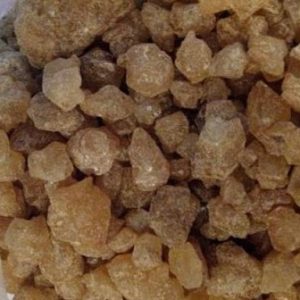
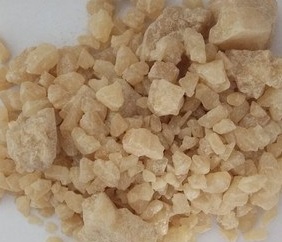
This compound is primarily studied for its interaction with monoamine neurotransmitter systems, including serotonin, dopamine, and norepinephrine transporters. Due to its unique chemical structure, 5-APB has been the subject of interest in comparative research involving entactogenic and stimulant-like substances. In laboratory environments, it is most frequently encountered as a crystalline powder, often in salt form to improve stability and consistency during analysis.
5-APB is not approved for medical or therapeutic use, and its legal status varies internationally. As such, it is typically discussed in the context of reference standards, toxicology screening, and chemical identification, rather than clinical application.
Reference Sources (Recommended)
PubChem (NIH) – compound data & identifiers
EMCDDA – benzofuran and novel psychoactive substance reports
DrugBank – chemical class and transporter interaction references