
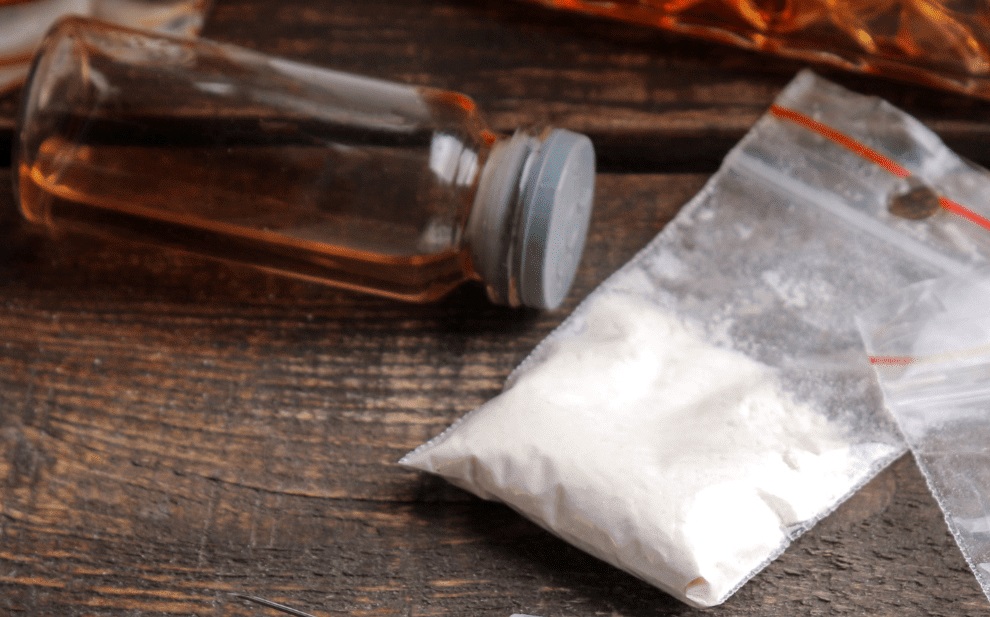
DMT, short for N,N-Dimethyltryptamine, is a naturally occurring and synthetic tryptamine compound widely referenced in neuropharmacology, ethnobotany, and analytical chemistry. It is structurally related to serotonin and melatonin and belongs to the broader family of indole alkaloids. it occurs naturally in numerous plant species and has been identified in trace amounts in mammals, making it a compound of long-standing scientific interest.
In academic and research literature, it is most commonly discussed for its interaction with serotonin (5-HT) receptor subtypes, particularly in studies examining altered states of consciousness and receptor binding profiles. Due to its relatively simple molecular structure, it is frequently used as a reference compound in structure–activity relationship (SAR) studies involving tryptamines and other indole-based molecules.
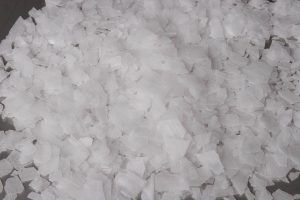
In laboratory settings, DMT typically appears as a white to off-white crystalline solid and is soluble in a range of organic solvents. DMT has no approved medical use in most countries, and its legal status varies by jurisdiction. As a result, it is primarily encountered in forensic toxicology, chemical identification databases, and peer-reviewed research, rather than clinical practice.
DMT Recommended Authority:
PubChem cannabinoid compound database
NIH / NCBI cannabinoid research articles
DrugBank cannabinoid classifications
FDA cannabinoid regulatory information
ScienceDirect cannabinoid chemistry literature
DMT (N,N-Dimethyltryptamine) is a naturally occurring tryptamine compound studied in neuroscience and psychopharmacology. Researchers investigate how it interacts with serotonin receptors, particularly 5-HT2A, to better understand perception, cognition, and altered states of consciousness.
Found in certain plant species and produced endogenously in trace amounts, DMT has drawn interest in clinical research exploring brain function and mental health mechanisms. Due to its classification as a controlled substance in many jurisdictions, research involving DMT requires proper regulatory approval, licensing, and ethical oversight. Institutions conducting studies must comply with national drug control laws and laboratory safety standards.