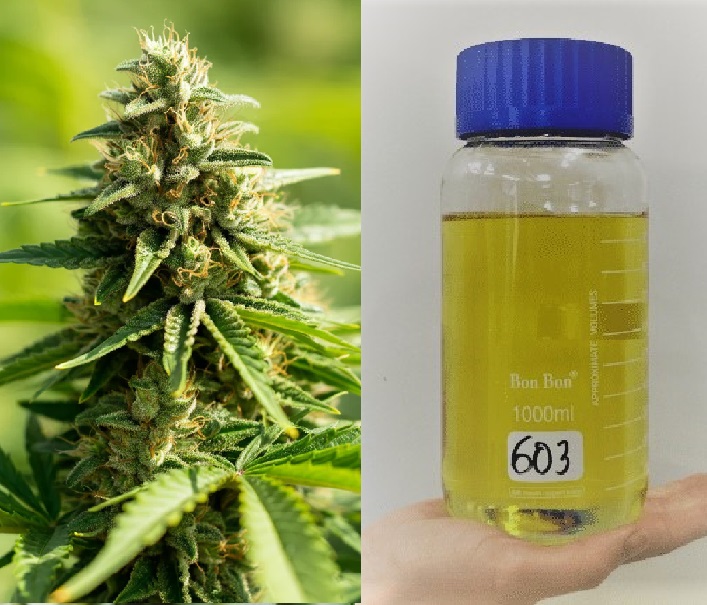
HHC-O, short for hexahydrocannabinol-O-acetate, is a semi-synthetic cannabinoid derived from HHC (hexahydrocannabinol) via acetylation. It belongs to the category of cannabinoid acetate esters, a group that also includes THC-O-acetate. HHC-O is most commonly referenced in cannabinoid research, analytical chemistry, and regulatory discussions surrounding emerging hemp-derived compounds.
From a chemical standpoint, the acetate ester functional group modifies the molecular structure of HHC, influencing its stability and physicochemical properties. In laboratory and reference contexts, HHC-O is typically observed as a clear to light amber viscous oil. It is frequently included in comparative analyses examining synthetic cannabinoid derivatives, structural analogs, and cannabinoid classification frameworks.
HHC-O has no approved medical or therapeutic use, and its legal status varies by jurisdiction, often depending on local hemp laws and regulatory interpretation. As a result, it is primarily discussed in chemical databases, toxicology references, and cannabinoid policy literature, rather than clinical or pharmaceutical sources.
Recommended Authority:
PubChem cannabinoid compound database
NIH / NCBI cannabinoid research articles
DrugBank cannabinoid classifications