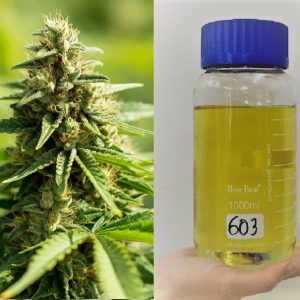
HHC (Hexahydrocannabinol) is a semi-synthetic cannabinoid compound structurally related to THC (tetrahydrocannabinol). It is produced through a hydrogenation process in which hydrogen atoms are added to a THC-like molecule, resulting in increased molecular stability. Due to this modification, HHC is more resistant to oxidation, heat, and UV exposure when compared to some naturally occurring cannabinoids.
Although trace amounts of HHC may occur naturally in cannabis plants, it is most commonly referenced as a laboratory-derived compound for analytical chemistry, cannabinoid research, and regulatory evaluation. HHC exists as a mixture of stereoisomers, which is relevant in laboratory identification and chemical profiling. It is frequently discussed alongside cannabinoids such as Delta-9 THC, Delta-8 THC, and CBD in scientific literature and compliance documentation.
HHC is not approved for medical or therapeutic use, and its legal classification varies by country and region. As a result, it is primarily referenced in chemical databases, cannabinoid research publications, and product specification resources, rather than clinical studies.
Recommended Authority:
PubChem cannabinoid compound database
NIH / NCBI cannabinoid research articles
DrugBank cannabinoid classifications
FDA cannabinoid regulatory information
ScienceDirect cannabinoid chemistry literature