HHC-P, short for Hexahydrocannabiphorol, is a semi-synthetic cannabinoid structurally related to HHC (hexahydrocannabinol) and THCP. It belongs to the broader category of hydrogenated cannabinoid analogs and is most commonly referenced in analytical chemistry, cannabinoid research, and regulatory discussions surrounding emerging cannabinoids.
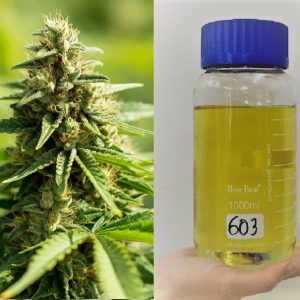
Chemically, HHC-P is characterized by a fully hydrogenated cannabinoid core combined with an extended alkyl side chain, a structural feature often examined in cannabinoid structure–activity relationship (SAR) studies. Due to this molecular profile, HHC-P has gained attention in laboratory testing, compound identification, and comparative cannabinoid analysis. In research and production environments, it is typically encountered as a viscous distillate or oil, allowing for standardized analytical evaluation.
HHC-P is not approved for medical or therapeutic use, and its legal status varies widely depending on jurisdiction. As a result, it is primarily discussed in chemical databases, compliance documentation, and scientific literature, rather than clinical research.
Recommended Authority:
PubChem cannabinoid compound database
NIH / NCBI cannabinoid research articles
DrugBank cannabinoid classifications