Product Description
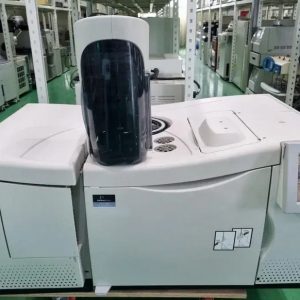
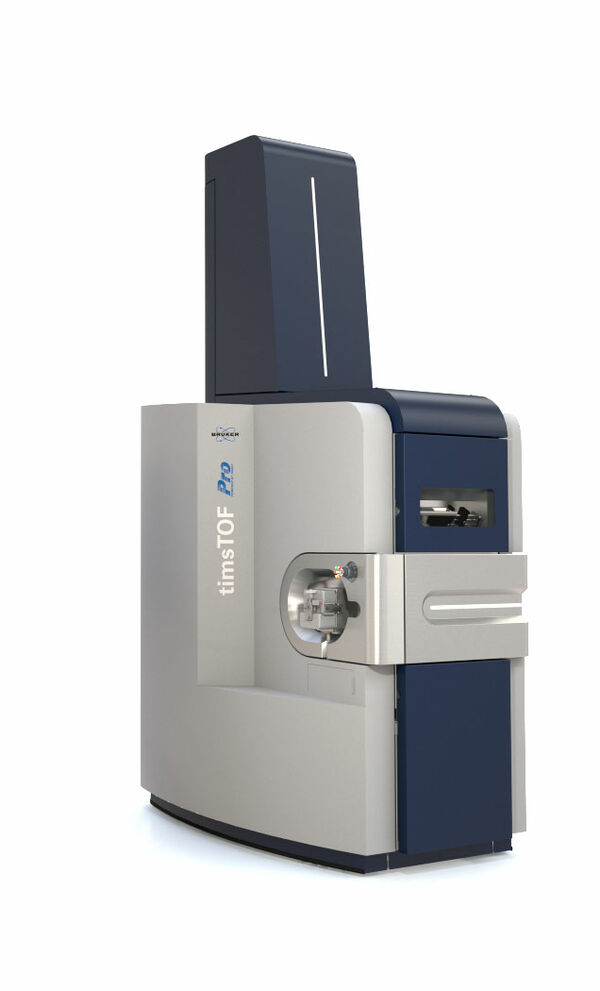
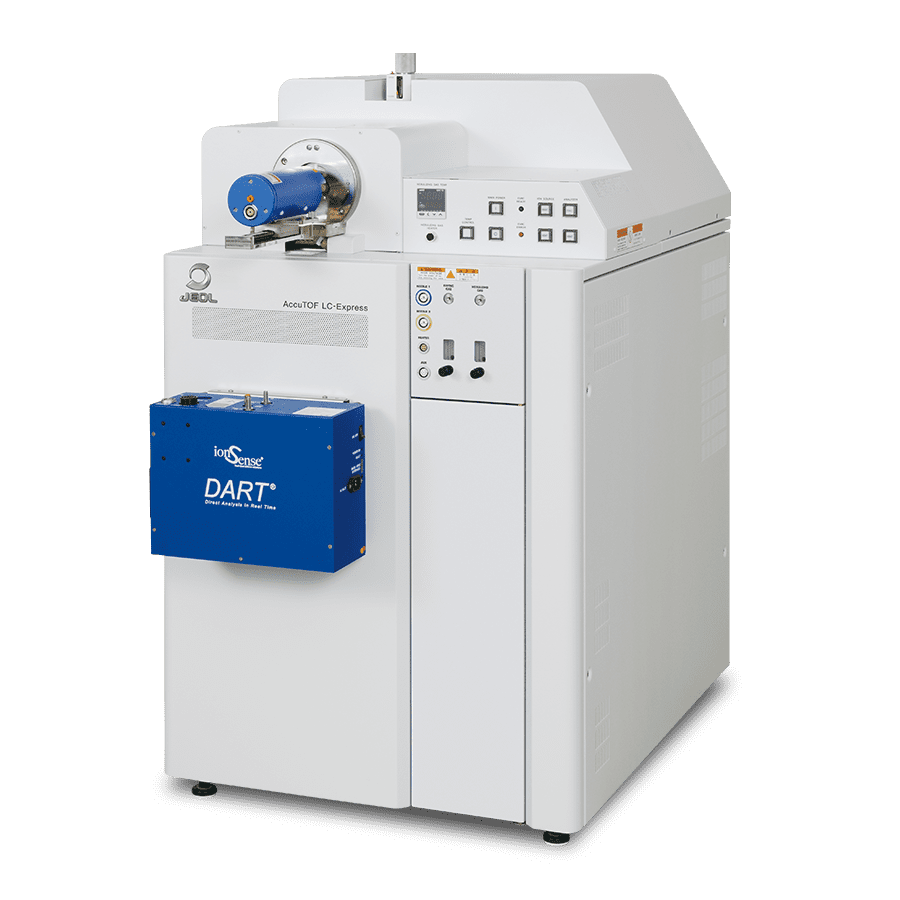
Our advanced Mass Spectrometry Machine delivers precise molecular identification, structural analysis, and quantitative measurement for research, pharmaceutical, environmental, food safety, and forensic laboratories. Designed for high sensitivity and accuracy, this system supports standalone MS as well as integrated chromatography configurations.
Mass spectrometry works by ionizing chemical compounds to generate charged molecules or fragments and measuring their mass-to-charge ratio (m/z). The resulting mass spectrum provides critical information about molecular weight, structure, and composition.
This system supports multiple configurations, including:
Gas chromatography–mass spectrometry (GC-MS)
Liquid chromatography–mass spectrometry (LC-MS)
Tandem mass spectrometry (MS/MS)
Inductively coupled plasma mass spectrometry (ICP-MS)
Matrix-assisted laser desorption/ionization (MALDI-TOF)
Ideal for high-throughput laboratories, academic institutions, pharmaceutical R&D, and industrial quality control environments.
Chromatography Compatibility:
Gas Chromatography (GC-MS)
Liquid Chromatography (LC-MS / LC-MS/MS)
Detector Type: Electron multiplier / microchannel plate
Vacuum System: Turbo molecular pump
Software Features:
Automated spectral analysis
Quantitative calibration tools
Machine learning data modeling support
PDF and PPT export
Graph and spectrum visualization
Applications:
Pharmaceutical analysis
Proteomics and metabolomics
Environmental contaminant testing
Clinical toxicology
Food safety analysis
Forensic investigations
How Does It Work?
It principle involves three main steps:
-
Ionization – Sample molecules are converted into ions.
-
Mass Analysis – Ions are separated by mass-to-charge ratio (m/z).
-
Detection – Ion abundance is recorded to generate a mass spectrum graph.
This allows scientists to determine molecular weight, identify unknown compounds, and quantify trace substances with high precision.
Mass spectrometry Machine – Comprehensive Summary
It is a high-precision analytical instrument used to identify, characterize, and quantify chemical compounds based on their mass-to-charge ratio (m/z). Widely used in pharmaceuticals, biotechnology, environmental science, clinical diagnostics, food safety, and forensic laboratories, mass spectrometry (MS) is considered one of the most powerful tools for molecular analysis.
It enables scientists to determine molecular weight, structural features, elemental composition, and concentration of compounds in complex samples. From drug development to toxicology screening, the technology plays a critical role in both research and routine analytical testing.
1. Ionization
The sample is introduced into the instrument and converted into charged particles (ions). Common ionization methods include:
Electron Ionization (EI)
Electrospray Ionization (ESI)
Atmospheric Pressure Chemical Ionization (APCI)
Matrix-Assisted Laser Desorption/Ionization (MALDI)
Each method is selected based on sample type and analysis goals.
2. Mass Analysis
Once ionized, the charged particles are separated based on their mass-to-charge ratio (m/z). Different mass analyzers provide varying levels of sensitivity and resolution, including:
Quadrupole
Time-of-Flight (TOF)
Triple Quadrupole (Tandem MS/MS)
Orbitrap
Magnetic sector analyzers
3. Detection
The detector measures ion abundance and produces a mass spectrometry graph or spectrum. This spectrum displays peaks corresponding to molecular ions and fragment ions, allowing identification and quantification of compounds.
Types of Mass Spectrometry Machines
Modern systems are often integrated with chromatography platforms for improved separation and accuracy.
Gas chromatography–(GC-MS)
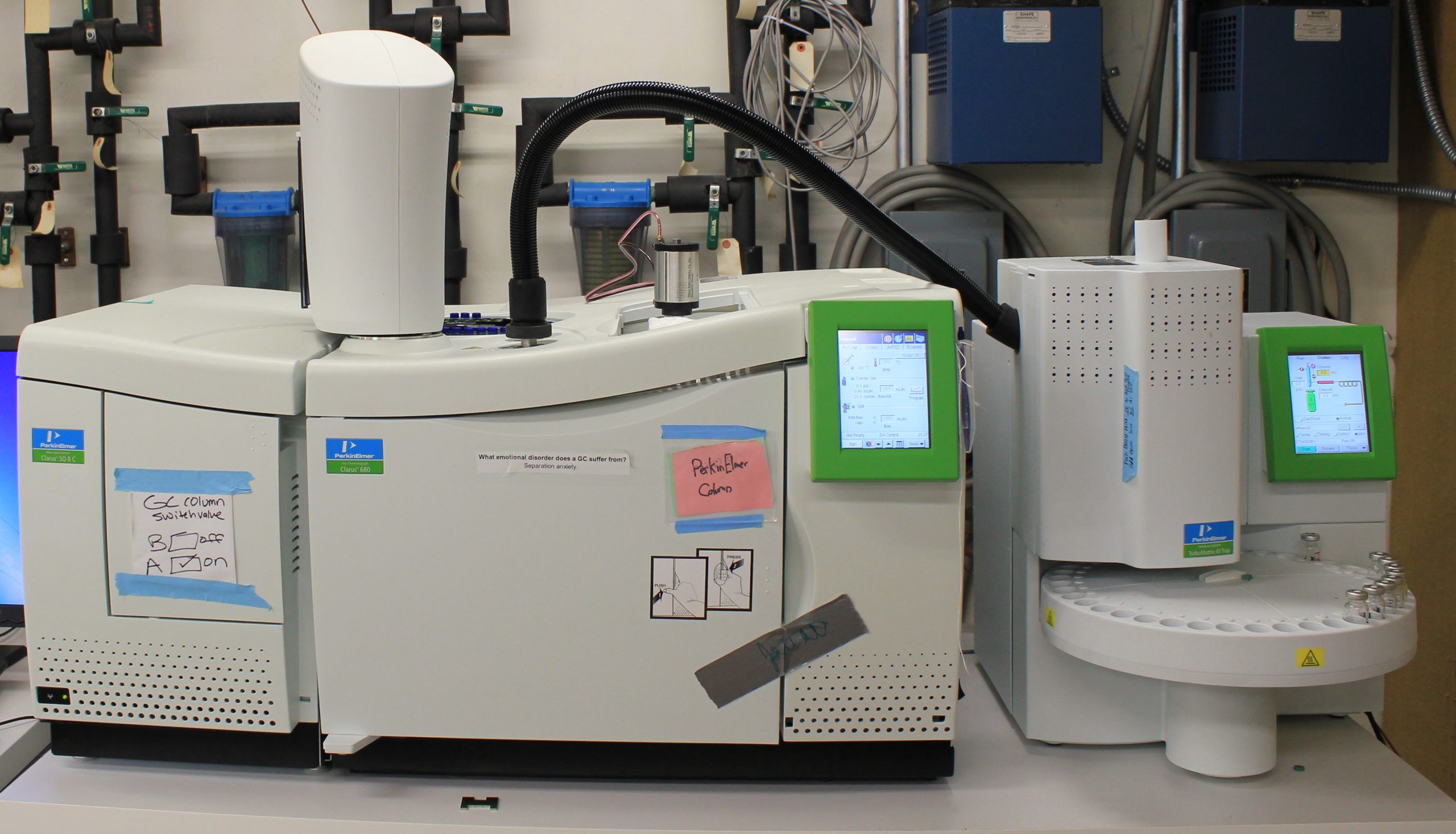
GC-MS combines gas chromatography with mass spectrometry. It is ideal for analyzing volatile and thermally stable compounds such as environmental pollutants, solvents, and hydrocarbons. Helium is commonly used as the carrier gas.
Liquid chromatography–(LC-MS)
LC-MS is suited for non-volatile, thermally sensitive, or biological samples. It is widely used in pharmaceutical research, proteomics, and clinical analysis.
Tandem (MS/MS)
Tandem mass spectrometry uses multiple mass analyzers in sequence. It enhances sensitivity and selectivity, making it ideal for trace-level detection and clinical diagnostics.
Inductively coupled plasma MS (ICP-MS)
ICP-MS is specialized for detecting trace metals and elemental analysis in environmental and industrial samples.
Matrix-assisted laser desorption/ionization (MALDI-TOF MS)
MALDI-TOF is widely used in microbiology, proteomics, and polymer analysis for high-mass biomolecules.
Key Specifications of a Mass Spectrometry Machine
Specifications vary depending on model and configuration, but common features include:
Mass Range: 1–100,000 m/z (model dependent)
Resolution: Up to 120,000 FWHM (high-resolution models)
Mass Accuracy: < 1–5 ppm (advanced systems)
Ion Source Options: EI, ESI, APCI, MALDI
Vacuum System: Turbo molecular pump
Detector: Electron multiplier or microchannel plate
Data System: Automated analysis software with spectrum export (PDF, PPT)
Compatibility: GC, LC, autosamplers, and high-throughput modules
Applications of Mass Spectrometry
Mass spectrometry analysis is essential in multiple industries:
Pharmaceuticals: Drug development, impurity profiling, pharmacokinetics
Clinical Diagnostics: Newborn screening using tandem mass spectrometry
Environmental Testing: Detection of pesticides and heavy metals
Food Safety: Residue analysis and contamination detection
Forensic Science: Toxicology and substance identification
Proteomics & Metabolomics: Biomarker discovery and protein identification
It is often compared with spectroscopy techniques; however, it measures mass-to-charge ratios, whereas spectroscopy typically measures electromagnetic radiation interactions.
What Does it Do?
It identifies unknown substances, determines molecular formulas, analyzes isotopic patterns, and measures trace concentrations. It provides both qualitative (what compound is present) and quantitative (how much is present) information.
Typical Cost:
The mass spectrometry machine cost depends on complexity and configuration:
Basic single quadrupole systems: Lower price range
GC-MS systems: Mid-range investment
LC-MS/MS (Triple Quadrupole): Higher cost
High-resolution MS and ICP-MS: Premium research-level pricing
Additional costs may include installation, maintenance, training, and service contracts.
Advantages:
High sensitivity and selectivity
Accurate molecular identification
Trace-level detection capability
Fast analysis time
Broad application range
Conclusion
It is a cornerstone analytical instrument in modern laboratories. By separating and detecting ions based on mass-to-charge ratio, it provides detailed molecular insights essential for research, diagnostics, quality control, and regulatory compliance. With multiple configurations including GC-MS, LC-MS, tandem MS, ICP-MS, and MALDI-TOF, mass spectrometry continues to evolve as a critical technology for high-precision chemical and biological analysis.